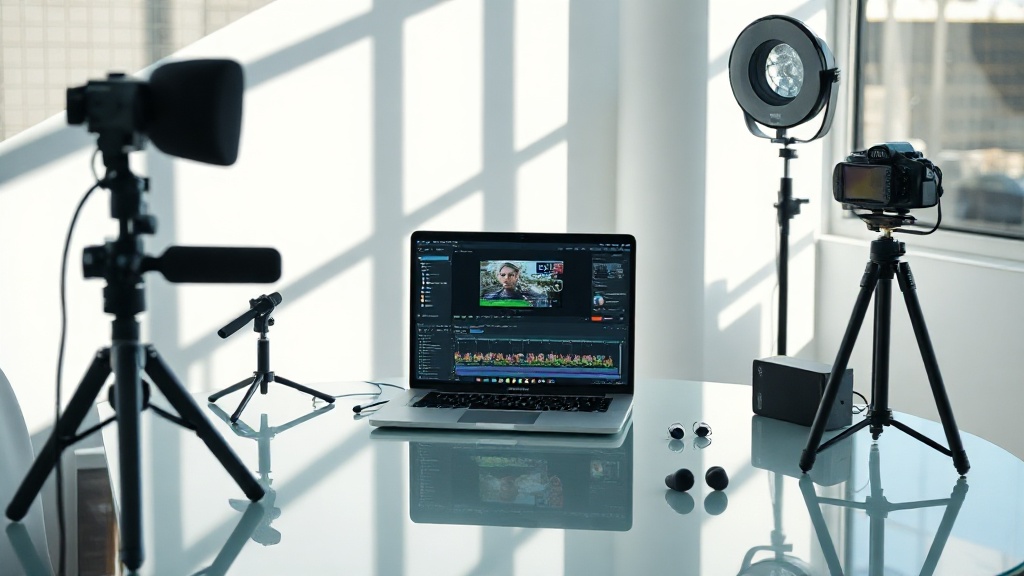
83% of consumers in 2026 say they can spot AI-generated video.
Why AI Video Marketing Is at a Flashpoint
AI is now woven into video marketing, but skepticism runs high. As of December 2024, 84% of marketers have adopted AI for video campaigns (adworldnews.com). Yet, a 2026 survey shows 83% of viewers claim they can identify AI-generated videos, with 36% saying these lower their trust in the brand (futurefactors.ai). The result: AI is everywhere, but authenticity has never mattered more.
AI Is Ubiquitous in Video Marketing Workflows
AI dominates much of the video marketing process in 2026. 63% of businesses now rely on AI for idea generation, with 61% using it for editing and refinement (storyblocks.com). Full end-to-end automation remains rare. Most teams treat AI as a powerful assistant, not a director. If you expect push-button, human-free video, you’ll be disappointed. The takeaway is simple: let AI handle repetitive or technical tasks, while creative strategy and authentic storytelling stay human.
Consumer Skepticism Remains the Biggest Hurdle
Most people get this wrong: consumers aren’t just indifferent to AI-generated videos—they’re actively wary. In 2026, 83% of viewers say they can spot AI content, and 36% admit that seeing it erodes their trust in a brand (futurefactors.ai). That’s more than one in three customers quietly subtracting points from your reputation. If your video is AI-made, transparency and human presence matter. The actionable move: integrate real people and clearly signal authenticity when it counts.
AI-Generated Ads Are Perceived as Annoying and Boring
The data shows AI-generated video ads have a perception problem. According to December 2024 research, viewers consistently rate these videos as more “annoying,” “boring,” and “confusing” than traditional ones (marketingdive.com). The novelty of AI wears off fast. If your creative feels generic, it’s not just ineffective—it’s likely irritating. The lesson? Use AI for structure and efficiency, but never let it replace the spark of originality or the connection of lived experience.
Authenticity Is the Deciding Factor for Brand Trust
Trust depends on real people. In 2026, 77.9% of consumers say they trust videos featuring actual humans, not avatars or deepfakes (futurefactors.ai). The debate over whether AI can capture authentic brand voice is ongoing (sagum.com). Here’s the thing nobody tells you: perfectly polished AI videos can feel soulless. If you want loyalty, you need vulnerability and visible human effort. Actionable takeaway: combine AI efficiency with genuine human faces and narratives for maximum impact.
Human Creativity Still Outpaces AI
Most people get this wrong: AI hasn’t replaced the creative human. 63% of marketers use AI for ideation and editing, but not for total production (storyblocks.com). Jack Wall, composer of the first Mass Effect games, puts it bluntly:
"AI is not an artist." — Jack Wall, Composer, techradar.com AI is a tool, not a muse. Use it to multiply your creative output, not to replace the unique spark that draws people in.
Reliability and Consistency Are Ongoing Challenges
The data shows reliability is not a solved problem. In 2026, 66% of businesses report issues with accuracy and asset consistency when using AI in video production (storyblocks.com). This is what actually works: double-check AI outputs, especially when rolling out campaigns at scale. If your brand depends on a consistent, polished look, human oversight isn’t optional—it’s a survival strategy.
AI Video Production Tools: Features and Focus
AI-powered video tools have distinct strengths. Animoto streamlines template-driven video creation. Adobe Premiere Pro incorporates models like Kling and Seedance 2.5 to automate editing steps, such as applying effects and color grading. Sora by OpenAI powers text-to-video, used commercially by brands like Toys R Us. Pricing data is absent, but here’s how the landscape looks:
| Tool | Main AI Feature | Brand Example |
|---|---|---|
| Animoto | AI-assisted video assembly | Marketers (general) |
| Adobe Premiere Pro | AI-based editing automation (Kling, Seedance 2.5) | General professional use |
| Sora by OpenAI | Text-to-video content | Toys R Us |
FAQ: How AI Is Transforming Video Marketing
How are marketers actually using AI in video marketing in 2026?
Do consumers trust AI-generated video content?
Are AI-generated ads effective?
Which AI tools are most relevant for video marketing?
What AI in Video Marketing Actually Means for 2026
Here’s what the numbers and the human stories keep repeating: AI is everywhere, but trust is scarce. The marketers winning in 2026 are not the ones who went all-in on automation, but those who made AI serve their human vision, not the other way around. You’ll notice the difference the moment a real face looks back at you from the screen: the message lands, and the brand is remembered. AI’s greatest value is in giving creative people more leverage, not less soul. Authenticity still wins.
Sources
- adworldnews.com/news/marketers-embrace-ai-video-consumers-skeptical
- futurefactors.ai/ai-video-brand-trust-marketing-2026
- marketingdive.com/news/consumer-perceptions-generative-ai-in-marketing-openai-sora/735761
- storyblocks.com/resources/guides/debunking-video-marketing-myths
- sagum.com/2026/06/24/the-authenticity-problem-nobodys-talking-about-in-ai-video-m…
- creativebloq.com/news/adobe-premiere-pro-is-getting-an-ai-agent-to-do-the-boring-editing…
- techradar.com/gaming/ai-is-not-an-artist-mass-effect-1-and-2-composer-shares-his-stan…
- gamesradar.com/games/epic-games-tim-sweeney-says-steams-ai-disclosure-is-unfair-to-dev…