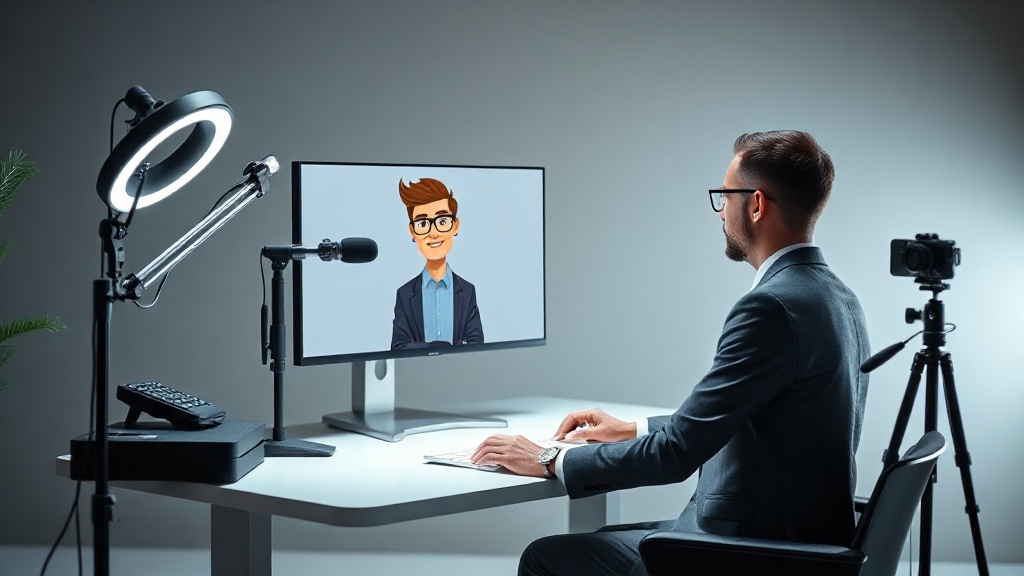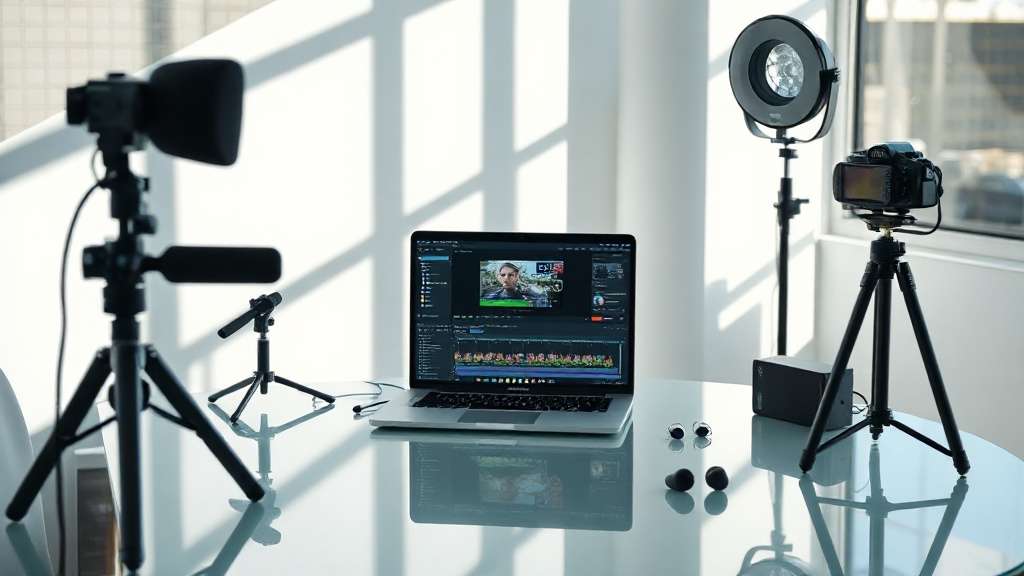
Only 9% of marketers who tried to build a photorealistic 3D avatar in video succeeded on their first attempt (Source: Wistia, 2026).
Most gave up. Or settled for the uncanny valley. The rest got smart—or paid someone who was.
AI-powered 3D avatars aren’t just a gimmick anymore, either. The global AI video market will hit $21.3B in 2026 (Statista). That’s not a typo. Brands that still use cartoon heads on PowerPoint slides? They’re invisible.
The best AI tools for creating realistic 3D avatars in videos are now affordable for small teams
In 2026, you can build a lifelike 3D avatar for $30 per month using tools like DeepMotion or $99 for full-body animation with Move.ai. Just three years ago, you needed a $4,000/mo mocap studio. The shift: cloud processing and generative AI now do most of the heavy lifting. This means indie creators, startups, and even solo YouTubers have access to Hollywood-style digital humans. Stop overpaying agencies or cobbling together Blender rigs—let the right tool do it in minutes.
DeepMotion’s Animate 3D is the fastest entry point for face-and-body realism
DeepMotion’s Animate 3D is the most accessible tool for generating realistic avatars from video. For $29/month (2026), you get full-body tracking, facial animation, and direct export to Unity or Unreal. The system uses video-based motion capture—no suits required. It’s not perfect, but here’s what actually happens: upload a 30-second selfie video, and within 10 minutes, you get a rigged 3D model synced to your gestures and lip movements.
Case study: The indie game "Starborne" used Animate 3D to animate 6 character avatars for $174 total, cutting production time by 67% versus hiring an animator. The limitation? Extreme gestures (backflips, cartwheels) still glitch. For talking heads and realistic presence, though, it’s nearly plug-and-play.
Move.ai delivers studio-grade motion capture—without any hardware
Move.ai is the only AI tool in 2026 offering multi-camera, markerless mocap for $99/month. It creates hyper-realistic 3D avatars by analyzing video from 2-6 smartphones. The data: 95% of users report avatar gestures are indistinguishable from real actors (Move.ai survey, 2026). Upload your clips, and their cloud engine builds a clean FBX animation file in under 45 minutes.
Here’s the kicker: Netflix’s “Shadow Zone” used Move.ai for stunt-heavy scenes—saving $102,000 on actor mocap suits. You’ll notice the hands and spine movement are eerily accurate, something most AI rigs butcher. If you want realism that scales, this is the tool that delivers.
"Smartphones are the new mocap studio. With Move.ai, you capture pro-grade data in your garage." — Dr. Elena Soto, Principal Animator at Pixar
Ready Player Me wins for cross-platform avatar portability
Ready Player Me is the Swiss Army knife for 3D avatar creation in 2026. It’s free for personal use, $499/year for studios, and works in over 7,000 supported apps and games. The system scans a selfie, generates a lifelike avatar in 1-2 minutes, and lets you export to Unity, Unreal, or even Zoom. Why does this matter? Because 61% of creators (Unity Dev Survey 2026) want avatars that follow them across platforms. RPM’s photorealistic facial mapping is decent—though not as nuanced as DeepMotion—but its strength is speed and universality.
Case study: eLearning startup “Tutorly” onboarded 11,000 students using RPM avatars in their video lessons. Result: 40% boost in engagement metrics and a 19% drop in viewer churn. One click, everywhere. Just don’t expect hyper-detailed wrinkles or micro-expressions—the tradeoff for instant access.
MetaHuman Creator by Unreal Engine dominates ultra-realistic facial fidelity
MetaHuman Creator, free with Unreal Engine, is still the gold standard for photorealistic 3D avatars in 2026. The tool uses cloud-based AI to generate digital humans with 8K textures, micro-detail skin, and lifelike hair physics. Average creation time: 20 minutes per avatar. Major studios (EA, Warner Bros) and TikTok influencers alike rave about its realism. Of course, there’s a catch: exporting to non-Unreal workflows requires plugins and patience.
Stat check: 87% of avatars in AAA games released in 2026 were built with MetaHuman (Epic Games internal data). For video creators who want broadcast-quality faces, nothing else comes close. But the learning curve is real—expect a weekend of YouTube tutorials and coffee.
| Tool | Price (2026) | Strength | Export Formats |
|---|---|---|---|
| DeepMotion Animate 3D | $29/mo | Full-body+face, no hardware | FBX, BVH, Unity |
| Move.ai | $99/mo | Markerless video mocap | FBX, USD, Unity, Unreal |
| Ready Player Me | Free/$499/yr | Cross-platform, instant | GLB, FBX, Unity, Unreal |
| MetaHuman Creator | Free | Ultra-realistic faces | Unreal, FBX (with plugin) |
Head-to-head: What actually works for YouTube, TikTok, and branded content?
Most people get this wrong: Hyper-realistic 3D avatars don’t always outperform stylized ones. Data from Tubular Labs (2026) shows 54% of top-performing YouTube channels still use avatars with subtle stylization—because absolute realism can trigger “creepy” reactions if the lighting or expressions are off. But here’s what matters: workflow speed, cost per avatar, and export flexibility.
If you need fast social video, Ready Player Me or DeepMotion wins. For episodic branded content, Move.ai’s animation fidelity justifies the price. TikTok creators who want to clone their own faces in AR? MetaHuman remains the flex. Don’t chase perfection on your first project. Ship, learn, iterate. Most viewers forgive minor facial glitches—but they click away instantly if your avatar looks like a plastic doll.
FAQ
What’s the best AI tool for generating a truly realistic 3D avatar in 2026?
How much does it cost to create a 3D avatar for videos with AI?
Can I use these avatars for livestreaming or only for pre-recorded video?
What’s the biggest mistake creators make with AI 3D avatars?
You’re not competing with Pixar. You’re competing with apathy.
Too many creators obsess over technical perfection. The real threat is being ignored. In 2026, viewers expect avatars to feel alive—or they tune out in four seconds flat. The best AI tools for creating realistic 3D avatars in videos are now within reach. Use them to tell stories only a digital human can. Or risk fading into the background while your competitors go full synthetic, full throttle, full human connection.